
01 / Customer question
The commercial context
Trust depends on the claims AI repeats.
Consumers may ask AI about ingredients, health needs and product comparisons before they buy. An answer can exaggerate a benefit or describe a different formulation from the product on sale. Accurate discovery needs evidence and approved market-specific claims.
OTC medicines, supplements, food, sports nutrition and fitness services have different requirements. We assess the relevant product and audience rather than applying one claims or commerce approach to every business. Popularity is not evidence that a benefit can be claimed.
Customer journeys
Evaluate ingredient, need and audience questions.
We agree the questions, audiences and markets to assess. The examples below show what we can investigate, with the final scope based on your priorities.
02 / Customer question
Are ingredients, allergens, serving/dosage information and relevant warnings correct?
03 / Customer question
Does a comparison avoid unsupported disease claims or inappropriate personal advice?
01
Claims and scenario evaluation
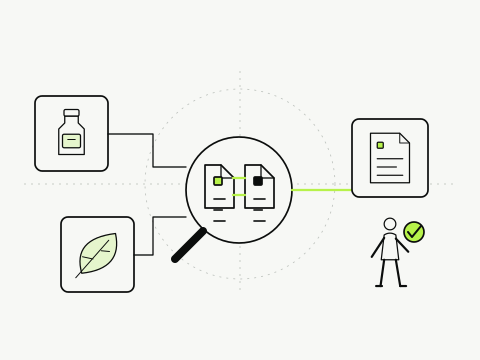
We evaluate ingredient, need and audience questions against approved references. Findings identify material exaggerations, omissions and unsupported claims within the agreed products and markets.
You receive: Material-claims baseline and issue register.
02
Product and channel reconciliation
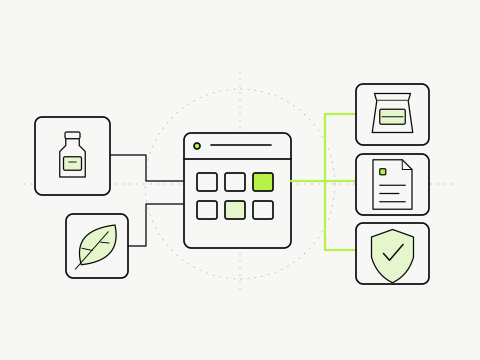
We reconcile formulation, product-page, feed and retailer information. The priorities connect accurate ingredients and intended use with applicable approved claims and platform eligibility.
You receive: Approved-claims register and data/content priorities.

03
Consumer-care readiness
We assess product knowledge and review for consumer-care assistance. Adverse-event handling, personal questions and specialist escalation are scoped with the qualified owners relevant to the business.
You receive: Care-assistant pilot and review design.
Internal AI readiness
Give brand and care teams evidence they can use.
Brand and care teams need a current approved-reference framework and a reliable update process when formulations change. We assess scientific or regulatory review, retailer updates, knowledge permissions and staff training.
Nutrition claims, health claims and diagnosis or treatment advice are different matters. A pilot defines those boundaries and the appropriate hand-off. Evaluation considers claim integrity, applicable warnings and task quality as well as productivity or purchase-related measures.
A practical first engagement
Consumer Health AI Claims & Discovery Assessment
We agree the business track, market, products and formulations, audiences, approved claims and channels. You receive discovery and material-claim findings, a reference map, data and content priorities, review requirements and options for eligible discovery or consumer-care pilots.
01
Agree the scope
We agree the business questions, reference sources, AI platforms and teams involved. Before the assessment begins, we confirm the access needed and any work it depends on.
02
Review the evidence together
We separate what the AI answer shows from the content, data or workflow issues behind it. Your teams help decide which changes matter and which are feasible.
03
Choose the next action
The plan identifies the priorities, who is responsible, what each change depends on and how it will be checked. If a pilot is worthwhile, we agree how to run and evaluate it with the teams involved.
Evaluation
Measure the changes that matter.
We agree how to evaluate results before making changes. Each answer is recorded with its question, market, AI platform and date. Repeat checks help identify patterns. We assess commercial results and improvements to internal workflows separately with your teams.
Substantiated representation
Ingredient and allergen accuracy
Market applicability
Consumer-care quality
Part of Ayima
Technical search expertise. Practical enterprise thinking.
SWLR combines AI visibility and readiness consulting with Ayima's experience in enterprise search. We investigate the content, data and technical issues behind your business question, including access permissions, then help your teams decide what to do next.
Common questions
Before we begin.
Can we improve discovery without making stronger claims?
Yes. Clearer approved information, correct product identities and better references can support accurate discovery. The objective is appropriate representation of the evidence and product, not stronger or more frequently repeated claims.
Will all our products qualify for AI shopping?
Eligibility depends on the product, market and platform. Medicines, supplements, foods and services do not necessarily share the same rules or integration routes. We assess eligibility before planning a shopping pilot.
How do you handle personal health questions?
We define the approved information an assistant can explain and the questions that require qualified advice or escalation. A consumer-care workflow should not turn product information into diagnosis or unsupported personal treatment guidance.
FMCG / Consumer Packaged GoodsAssess how AI recommends your products for real needs and occasions, then improve the data connecting brand discovery with retail availability.
Healthcare, Pharma & MedTechAssess how AI represents your services, evidence and approved information, and identify suitable workflows for accountable adoption.
Signal → Evidence → Action
Start with the questions that matter.
Discuss your products, markets and the approved claims and information behind them.
Discuss your AI strategy